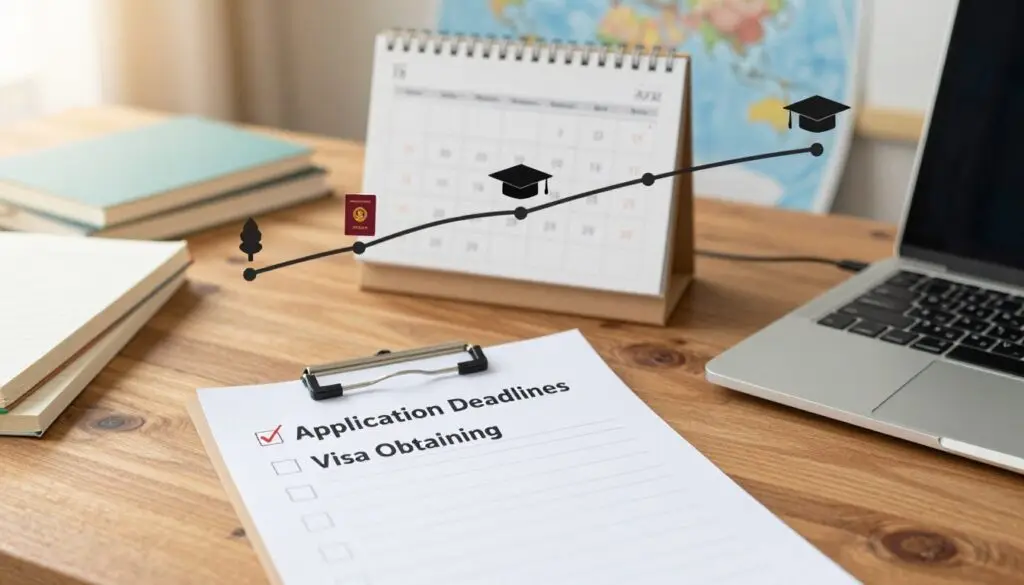
Let’s be honest. For students in Pakistan and India, studying abroad isn’t just a dream—it’s often seen as a life-changing opportunity. It promises better career growth, stronger currency earnings, and invaluable global exposure. But here’s the part nobody talks about openly: the biggest mistakes don’t happen after you land abroad; they happen during the planning phase.
If you approach 2026 strategically, you can avoid debt traps, visa rejections, and unrealistic expectations. Here’s how to do it properly.
5 best tips to start study abroad
1. Don’t Just Follow the Crowd—Choose Countries Strategically
Every year, thousands of students from Lahore, Karachi, Delhi, Mumbai, and Hyderabad apply to the same countries without asking one key question: “Does this destination actually make financial sense for me?” Here’s a realistic breakdown of the top destinations:
🇩🇪 Germany: Public universities often charge low or zero tuition fees. However, you must show a blocked account of around €11,000+ for one year of living expenses. This is an excellent choice for Engineering, Automotive, and Technical fields. (Learn more at the official DAAD Germany portal).
🇬🇧 UK: One-year master’s programs save you time, but tuition can range from £14,000 to £25,000, and living costs in London can easily exceed £1,200 per month. It remains a strong destination for Finance, Law, and Business Analytics.
🇨🇦 Canada: Extremely popular due to favorable post-study work options. However, you must be prepared for the fact that living costs have increased sharply in major cities like Toronto and Vancouver.
🇦🇺 Australia: Offers excellent post-study work rights but has implemented strict Genuine Student (GS) requirements for the 2024–2025 and 2026 intakes.
🇺🇸 USA: Still unmatched globally for tech and research. But visa scrutiny (especially for F-1 applicants from South Asia) requires bulletproof financial documentation. If you’re applying for an F-1 visa, prepare your funding explanation carefully.
2. Budget in PKR or INR—Not in Dollars
One major mistake South Asian students make is seeing tuition in USD and converting it casually in their heads. Currency fluctuation can change everything. For example, if the USD rises from 280 PKR to 310 PKR, your $20,000 tuition just increased by 600,000 PKR instantly. The same painful reality applies to INR fluctuations.
Hidden Costs Students Forget to Budget For:
Visa application fees and SEVIS fee (USA)
Health insurance (mandatory in Germany, UK, etc.)
Biometric appointments
Accommodation security deposits (often 1-2 months’ rent upfront)
Winter clothing and emergency funds
If you are taking loans to cover this, proceed with caution. In India, banks like SBI, HDFC Credila, and ICICI offer education loans, but you must check processing fees and floating rates carefully. In Pakistan, loan options are more limited, meaning many families rely heavily on savings or relatives abroad. (Read our complete Education Loan Guide for Studying Abroad to avoid high-interest traps).
Fully funded scholarships like the Chevening Scholarship (UK) or the Fulbright Program (USA) are extremely competitive but highly realistic if you build a strong leadership profile. Apply early, not at the last minute.
5 best tips to start study abroad
3. Your SOP Must Sound Like a Human—Not a Template
Admissions officers can easily recognize generic, copy-pasted statements like, “I want to study abroad to gain international exposure.” Instead, your Statement of Purpose (SOP) needs to explain what specific problem you noticed locally, what skill gap exists in your home country, and how this degree fills that exact gap.
Example of a stronger approach: A mechanical engineering student from Karachi explaining how Pakistan’s energy inefficiency inspired a deep interest in renewable systems. That is credible, memorable, and human.
Avoid copying SOP formats from YouTube or Facebook groups, as those are heavily reused. If you need help structuring your story, check out our detailed guide on How to Write a Winning SOP and LOR.
Also, plan your standardized tests early. Delays in score reporting for tests like IELTS, TOEFL, GRE, or GMAT can literally cost you an entire intake.
4. Visa Rejections for South Asian Students—Why They Happen
This is a sensitive but crucial topic. Visa officers look very closely at applicants from high-migration regions. Common rejection reasons include a weak financial trail, sudden large cash deposits right before the visa interview, an inconsistent academic history, or vague post-study plans.
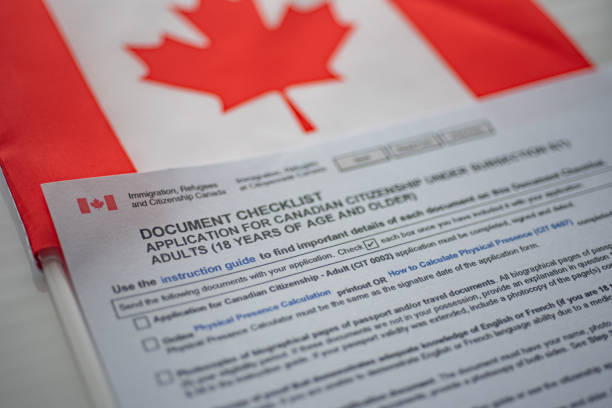
If you’re applying for an F-1 visa (USA), a UK student visa, or a Canadian study permit, your answers must be clear and logical. Don’t memorize scripts. Understand your own story and be confident. (Review our top Student Visa Interview Tips to prepare for the tough questions).
5. Mental Preparation Is Just as Important
Students from Pakistan and India often underestimate the emotional adjustment required to move across the world. Challenges include accent barriers, massive cultural differences, intense loneliness, and weather shock (especially if you are moving to Canada or Germany).
Living alone for the first time, managing your own groceries, and dealing with academic independence can be overwhelming.
Practical tips to survive the first semester:
Book temporary accommodation long before your arrival.
Join Pakistani or Indian student associations on campus during orientation week.
Learn how to cook 3 to 4 traditional home meals before your departure—it saves money and is the best cure for homesickness.
Final Thoughts
Studying abroad in 2026 is still one of the best long-term investments you can make—but only if it is done strategically. For students from Pakistan and India, success depends heavily on smart country selection, realistic budgeting, honest applications, and emotional resilience.
The ultimate goal isn’t just to leave your home country. The goal is to build a thriving, global career that justifies the sacrifice you and your family are making.